


Last updated: February 21, 2026 Key Takeaways Creating privacy and peace in small spaces requires strategic use of visual barriers, sound management, and designated zones rather than physical walls Even the smallest... Read more »
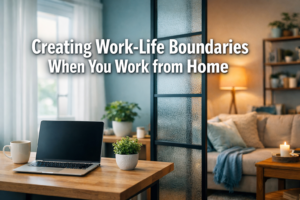
Last updated: February 21, 2026 Key Takeaways Physical boundaries like dedicated workspaces help your brain separate work mode from relaxation time Time boundaries including set work hours and digital cutoffs prevent burnout... Read more »

Last updated: February 21, 2026 Key Takeaways Parents need regular recovery time to maintain physical health, emotional balance, and effective caregiving capacity, not as a luxury but as a basic requirement for... Read more »

Last updated: February 21, 2026 Key Takeaways Loneliness at home stems from lack of sensory engagement, routine disruption, and disconnection from the physical space itself Small environmental changes like lighting adjustments, texture... Read more »

Last updated: February 21, 2026 Key Takeaways Sound-absorbing materials like rugs, curtains, and upholstered furniture can reduce indoor noise by 25-40% without major renovations Strategic placement of bookshelves, plants, and soft furnishings... Read more »

Last updated: February 21, 2026 Key Takeaways Create physical distance between yourself and your phone during rest periods to break automatic reaching habits Replace phone scrolling with specific alternative activities that genuinely... Read more »

Last updated: February 21, 2026 Key Takeaways Home environments often trigger stress instead of relaxation because they’re filled with work reminders, digital devices, and poor lighting that keeps the brain in alert... Read more »

Last updated: February 21, 2026 Key Takeaways Decluttering creates physical and mental space by removing items that no longer serve a purpose in your home The four-box method (Keep, Donate, Trash, Relocate)... Read more »

Last updated: February 21, 2026 Key Takeaways Burnout recovery begins in your physical environment, and transforming your home into a restorative space can significantly reduce stress and exhaustion Creating dedicated zones for... Read more »
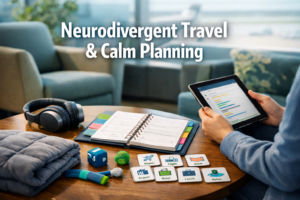
Last updated: February 18, 2026 Key Takeaways Neurodivergent Travel & Calm Planning centers on reducing sensory overload, maintaining routines, and building flexibility into every trip stage Advance preparation with visual schedules, sensory... Read more »