

Last updated: February 18, 2026
Key Takeaways
- Post-vacation blues affect most travelers within 2-3 days of returning home and are a normal psychological response, not a personal failing
- Recovery typically takes 3-7 days when approached with self-compassion and practical strategies
- Creating a gentle re-entry plan before your trip ends reduces the emotional impact of returning to routine
- Small daily actions like maintaining one vacation habit and limiting work catch-up sessions speed recovery
- Shame about feeling down after a great trip actually prolongs the blues—acceptance shortens them
Quick Answer
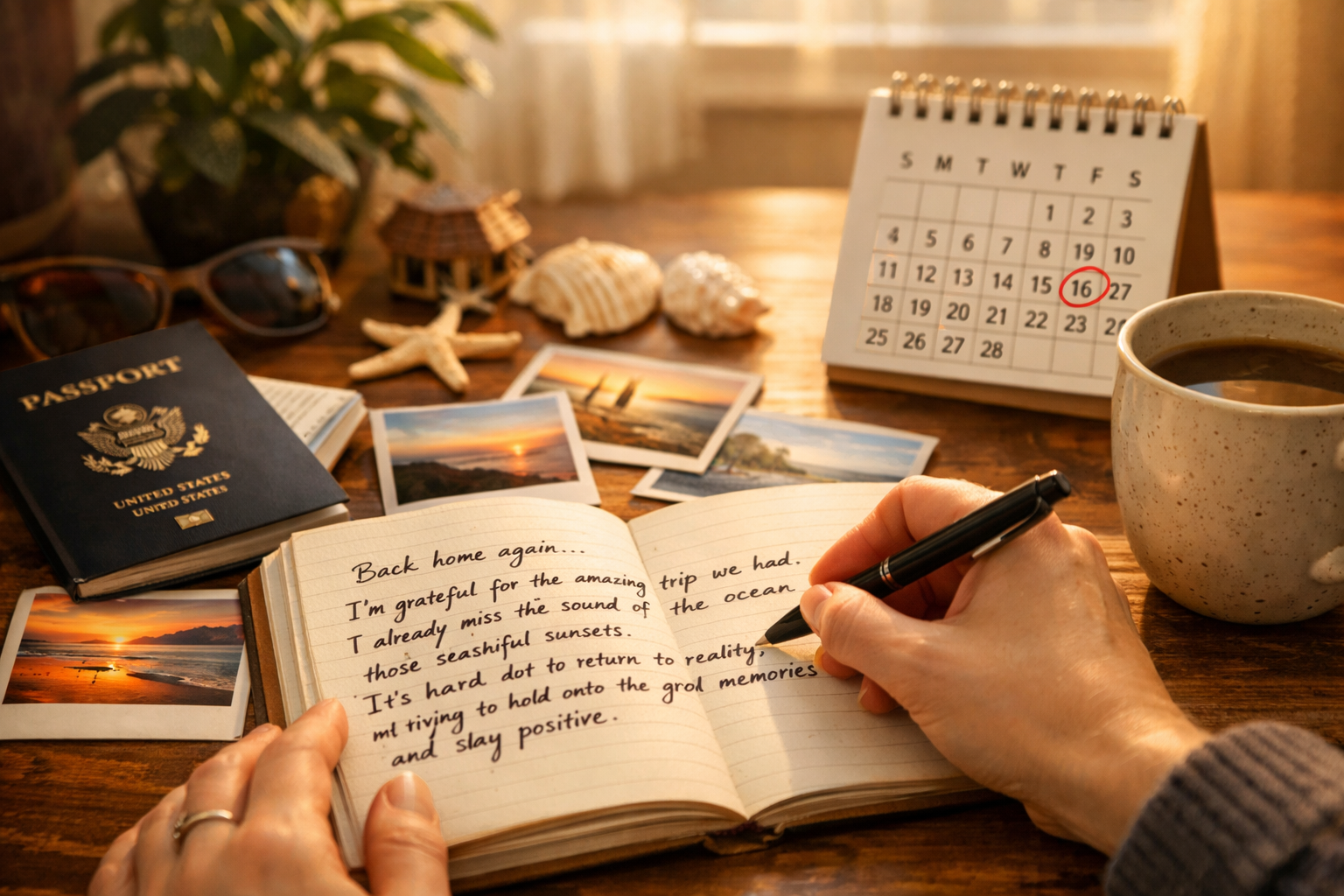
Post-vacation blues are the feelings of sadness, fatigue, or anxiety that show up after returning from a trip. They happen because vacations provide novelty, rest, and freedom from daily stress, and your brain needs time to adjust back to routine. Recovery without shame means treating these feelings as normal rather than a character flaw, using practical strategies like gradual re-entry, maintaining one vacation habit, and giving yourself 3-7 days to readjust before expecting full productivity.
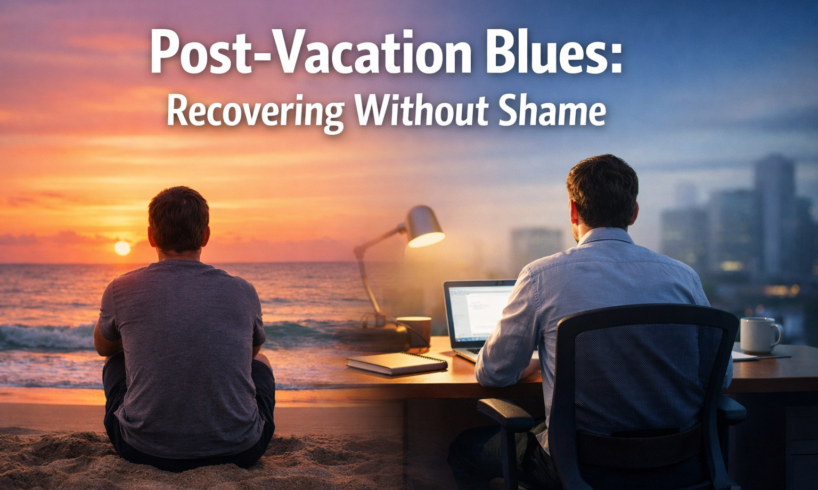
That sinking feeling hits around day two back home. The suitcase sits half-unpacked in the corner. Emails pile up. The alarm clock feels cruel. And somehow, despite just having an amazing vacation, everything feels a bit gray.
Welcome to post-vacation blues, one of travel’s most common but rarely discussed side effects. The good news? This experience is completely normal, well-understood, and manageable. Even better, recovering from post-vacation blues doesn’t require pretending everything’s fine or pushing through with forced positivity. It requires something simpler: understanding what’s happening and responding with practical kindness.
This guide walks through Post-Vacation Blues: Recovering Without Shame, covering why these feelings show up, how long they typically last, and specific strategies that help you transition back to daily life without the guilt trip.
What Are Post-Vacation Blues and Why Do They Happen?
Post-vacation blues (sometimes called post-travel depression or vacation hangover) are the emotional and physical symptoms that appear after returning from a trip. These include sadness, irritability, fatigue, difficulty concentrating, and a general sense that regular life feels less vibrant than it did before you left.
The phenomenon happens for several concrete reasons:
Contrast effect: Vacations remove daily stressors, provide novel experiences, and often include more rest, better food, and quality time with loved ones. Your brain gets used to this elevated baseline. Returning to regular responsibilities, alarm clocks, and routine creates a sharp contrast that feels particularly harsh.
Stress hormone shifts: During vacation, cortisol (your primary stress hormone) typically drops. When you return to work deadlines, household tasks, and packed schedules, cortisol rises again. This hormonal shift affects mood, energy, and sleep quality.
Loss of anticipation: Much of vacation joy comes from planning and anticipation. Once the trip ends, you lose both the experience itself and the pleasant anticipation that preceded it. This double loss creates an emotional gap.
Identity and freedom: Vacations often let you be a different version of yourself—more relaxed, adventurous, or spontaneous. Returning to your regular identity and constraints can feel confining, especially if daily life includes roles or responsibilities that feel limiting.
Common mistake: Thinking these feelings mean something’s wrong with your life or that you’re ungrateful for your trip. Post-vacation blues are a predictable neurological and emotional response to change, not a referendum on your choices or attitude.
How Long Do Post-Vacation Blues Last?
Post-vacation blues typically last between 3 to 7 days for most people. The intensity and duration depend on several factors: trip length, how different the vacation was from daily life, what you’re returning to, and how you manage the transition.
Timeline breakdown:
- Days 1-2: Peak intensity. The contrast feels sharpest, jet lag or travel fatigue compounds emotional symptoms, and the reality of returning responsibilities hits hardest.
- Days 3-5: Gradual improvement. Your body adjusts to the time zone and routine, initial work catch-up completes, and small pleasures in daily life become noticeable again.
- Days 6-7: Most symptoms fade. Energy returns, routine feels manageable, and vacation memories settle into pleasant nostalgia rather than painful contrast.
What extends the blues:
- Returning to an overwhelming workload with no transition time
- Beating yourself up for feeling down (“I just had a vacation, I should be grateful”)
- Completely abandoning all vacation habits (sleep schedule, movement, leisure time)
- Isolating yourself instead of connecting with others
- Immediately starting to plan the next escape without processing the current transition
What shortens recovery:
- Building in a buffer day between returning and going back to work
- Maintaining at least one small vacation habit (morning coffee ritual, daily walk, reading time)
- Talking about the experience with friends or family
- Accepting the feelings without judgment
- Creating small things to look forward to in the coming weeks
Choose a longer recovery approach if: Your vacation was particularly transformative, you’re returning to a high-stress situation, or you notice the blues lasting beyond 10 days (which might indicate a need for bigger life changes or professional support).
Understanding Post-Vacation Blues: Recovering Without Shame
The shame component of post-vacation blues often causes more suffering than the blues themselves. Many people feel they “shouldn’t” be sad after something positive, or worry that feeling down means they’re ungrateful, weak, or not cut out for their regular life.
This shame-based thinking creates a secondary problem on top of the primary adjustment. Instead of simply feeling tired or wistful (normal), you now feel tired, wistful, AND bad about feeling that way (unnecessary).
Recovering without shame means:
Normalizing the experience: Recognizing that post-vacation blues affect most travelers to some degree. The feelings don’t mean you’re doing life wrong—they mean you’re human and your brain responds to pleasant experiences and their absence.
Separating feelings from facts: Feeling like “everything is terrible” on day two back doesn’t mean everything actually is terrible. It means you’re in an adjustment period. The feeling is real and valid; the catastrophic interpretation is temporary.
Avoiding toxic positivity: You don’t need to immediately focus on gratitude, count blessings, or remind yourself how lucky you are. Those things might be true AND you can still feel sad about vacation ending. Both exist simultaneously.
Using self-compassion language: Instead of “I’m being ridiculous, I just had a great trip,” try “This transition is hard and that makes sense.” Instead of “I should be over this by now,” try “My brain needs time to adjust and I’m giving it that time.”
Practical example: Sarah returns from a week in Portugal. On day three back, she catches herself thinking “I hate my life, I should just quit my job and move to Lisbon.” Instead of either (a) beating herself up for being dramatic or (b) actually quitting her job, she recognizes this as a post-vacation blues thought pattern. She writes it down, acknowledges the feeling underneath (“I miss the freedom and novelty”), and commits to one small change (taking Portuguese lessons once a week) rather than making big decisions during the adjustment period.
Practical Strategies for Post-Vacation Blues: Recovering Without Shame
Recovery works best with concrete actions rather than just waiting for time to pass. These strategies address both the practical and emotional aspects of transitioning back to regular life.
Before You Return: Create a Soft Landing
Schedule a buffer day: If possible, return home at least one full day before you need to be back at work. Use this day for unpacking, grocery shopping, laundry, and rest—not for getting ahead on work.
Prep your space: Before leaving for vacation, clean your home and stock basic groceries. Returning to a clean space and having breakfast food ready reduces the overwhelm of re-entry.
Set email expectations: Use an out-of-office message that says when you’ll be responding to messages. If you return on Saturday, set your return date as Monday. This creates space without guilt.
Plan one small thing: Schedule something pleasant for your first week back—dinner with a friend, a movie, a favorite meal. This gives you something to look forward to beyond just “back to normal.”
During the First Few Days: Gentle Re-entry
Limit work catch-up sessions: Instead of spending 8 hours plowing through emails on day one, limit yourself to 2-3 hours. Tackle urgent items only. The rest can wait.
Maintain one vacation habit: Pick the easiest, most enjoyable habit from vacation and keep it. This might be morning coffee on the balcony, a midday walk, reading before bed, or a particular meal. This creates continuity rather than a complete break.
Move your body: Gentle exercise (walking, stretching, swimming) helps regulate stress hormones and improves mood. Don’t force intense workouts if you’re tired, but do move.
Protect your sleep: Stick to consistent sleep and wake times, even if you’re tempted to stay up late scrolling through vacation photos or catching up on shows. Sleep deprivation intensifies every other symptom.
Talk about your trip: Share stories and photos with friends or family. This helps process the experience and keeps positive memories alive without clinging to them.
Ongoing: Building Sustainable Pleasure
Create micro-adventures: Schedule small local experiences—trying a new restaurant, visiting a nearby park, taking a different route on your walk. These provide novelty without requiring major time or money.
Address what the blues reveal: If post-vacation blues are intense or persistent, they might be highlighting real dissatisfaction in daily life. Use the contrast to identify specific changes (not necessarily dramatic ones) that could improve your routine.
Start planning, but not escaping: It’s fine to start thinking about future trips, but notice if you’re planning the next vacation as a way to avoid dealing with the present. Planning should be pleasant anticipation, not desperate escape.
Build in regular breaks: Rather than only taking one or two big trips per year, consider adding long weekends or single days off throughout the year. More frequent smaller breaks can reduce the intensity of the vacation/regular life contrast.
Common Mistakes When Dealing With Post-Vacation Blues
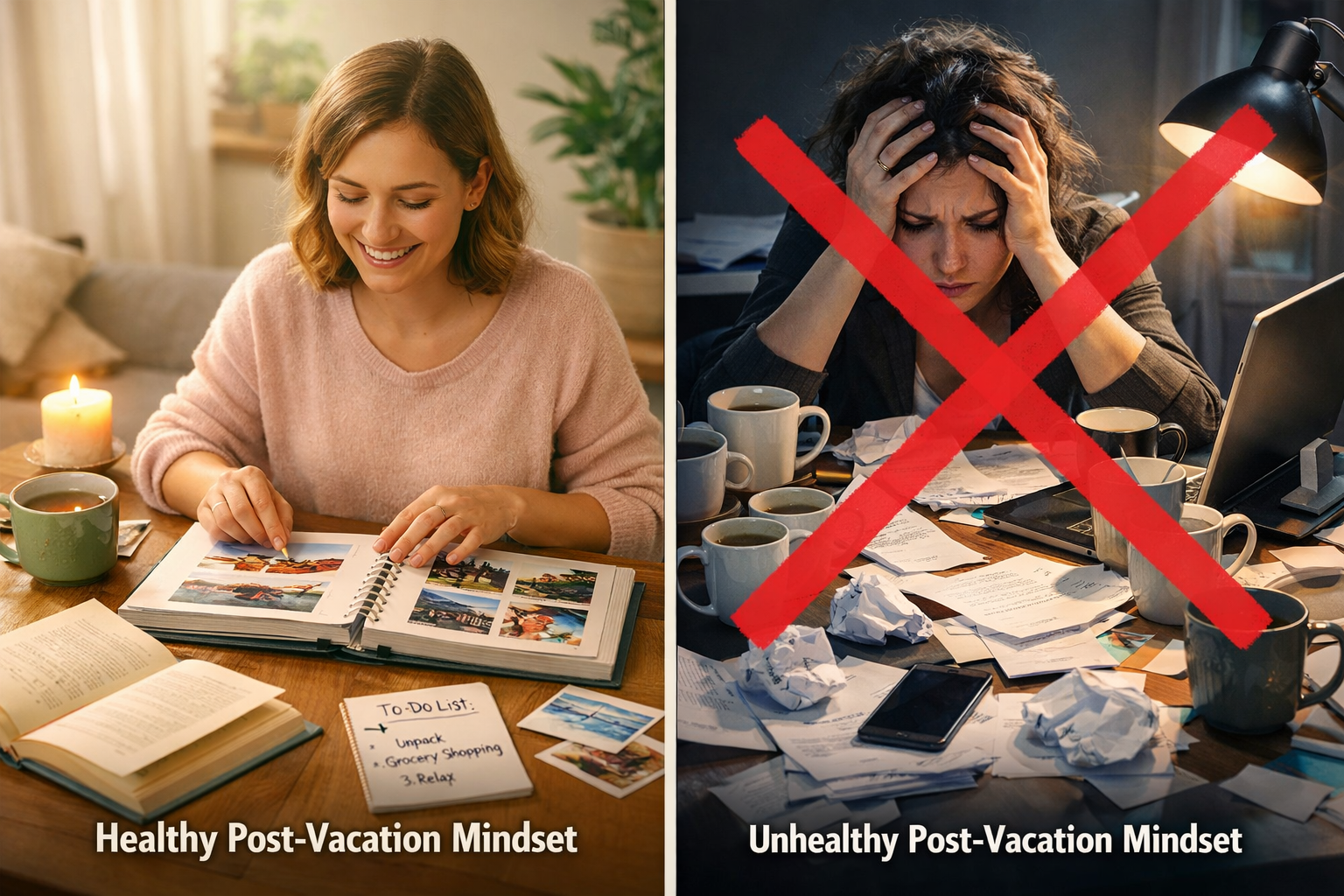
Knowing what doesn’t help can be as useful as knowing what does. These common approaches often backfire:
Immediately diving into productivity: Trying to “make up” for vacation time by working extra hard in the first few days back usually leads to burnout and resentment, not efficiency.
Comparing your life to vacation: Vacation is designed to be different from daily life. Comparing regular Tuesday to a beach day in Bali sets up an impossible standard.
Isolating yourself: Withdrawing because you feel down or don’t want to “bring others down” usually makes the blues last longer. Connection helps, even if it’s just texting a friend.
Making big life decisions: The first week back is not the time to quit your job, end a relationship, or make major changes. Wait until you’re through the adjustment period before deciding if dissatisfaction is temporary or meaningful.
Suppressing the feelings: Trying to power through without acknowledging the emotions doesn’t make them go away—it just pushes them underground where they emerge as irritability, fatigue, or physical symptoms.
Bingeing on comfort behaviors: Excessive drinking, overeating, or binge-watching shows might provide temporary relief but usually makes you feel worse and extends recovery time.
Edge case: If you notice post-vacation blues lasting beyond two weeks, intensifying rather than improving, or including symptoms like hopelessness, loss of interest in all activities, or significant sleep/appetite changes, these might indicate depression rather than standard adjustment. In this case, talking to a mental health professional makes sense.
The Science Behind Vacation Recovery and Mood
Understanding the biological and psychological mechanisms behind post-vacation blues can reduce shame and inform better strategies.
Dopamine and reward systems: Vacations provide frequent novel experiences, which trigger dopamine release (the neurotransmitter associated with pleasure and motivation). Your brain’s reward system gets accustomed to this elevated stimulation. Returning to routine means fewer dopamine hits, which your brain experiences as a deficit until it readjusts to baseline.
Stress response recalibration: Chronic stress keeps your sympathetic nervous system (fight-or-flight) activated. Vacation allows your parasympathetic nervous system (rest-and-digest) to dominate. Returning to stressors reactivates the sympathetic system, but your body needs time to recalibrate. This transition period can feel particularly uncomfortable.
Cognitive load differences: Vacation typically involves fewer decisions and responsibilities (someone else cooks, cleans, plans activities). Returning to full cognitive load—making dozens of decisions daily, managing multiple responsibilities—is genuinely taxing after a period of reduced mental effort.
Social connection patterns: Many vacations involve extended quality time with loved ones or pleasant interactions with new people. Returning to more limited social interaction (or to difficult relationships) creates a noticeable contrast in connection and belonging.
Circadian rhythm disruption: Travel, especially across time zones, disrupts your internal clock. Even without jet lag, vacation often means different sleep and wake times. Your body needs several days to fully reset circadian rhythms, during which sleep quality, energy, and mood are affected.
Important note: These biological factors mean post-vacation blues have physical components, not just “mental” or “attitude” issues. You can’t simply think your way out of hormonal shifts or circadian disruption—you need time and supportive behaviors.
When Post-Vacation Blues Signal Something Deeper
For most people, post-vacation blues are temporary and manageable. But sometimes they reveal or trigger something that needs more attention.
Signs the blues might indicate bigger issues:
- Persistent intensity: Symptoms lasting more than two weeks without improvement
- Increasing severity: Feelings getting worse rather than gradually better
- Functional impairment: Inability to complete basic work or personal tasks
- Hopelessness: Thoughts that nothing will ever feel good again or that life isn’t worth living
- Physical symptoms: Significant changes in sleep, appetite, energy, or physical health
- Recurring pattern: Post-vacation blues that happen after every trip and seem to be getting worse over time
What these might indicate:
Burnout: If the contrast between vacation and regular life feels extreme, you might be experiencing chronic workplace or life stress that needs addressing. Vacation provides temporary relief, but the underlying exhaustion remains.
Depression: Post-vacation blues can sometimes trigger or reveal depression, especially if you were already vulnerable. The return to routine might unmask symptoms that vacation temporarily covered.
Life dissatisfaction: Intense, recurring post-vacation blues might signal genuine unhappiness with major life areas (work, relationships, location). The feelings aren’t just about missing vacation—they’re about returning to something that genuinely doesn’t fit.
Anxiety disorders: For some people, the return to routine triggers anxiety about performance, social situations, or future stress. This might indicate an anxiety disorder that would benefit from treatment.
Choose professional support if: You notice any of the severe symptoms above, if post-vacation blues are affecting your relationships or work significantly, or if you’re having thoughts of self-harm. A therapist can help distinguish between normal adjustment and something requiring treatment.
Creating a Post-Vacation Recovery Plan
Having a structured approach makes recovery less overwhelming and more effective. Here’s a simple framework:
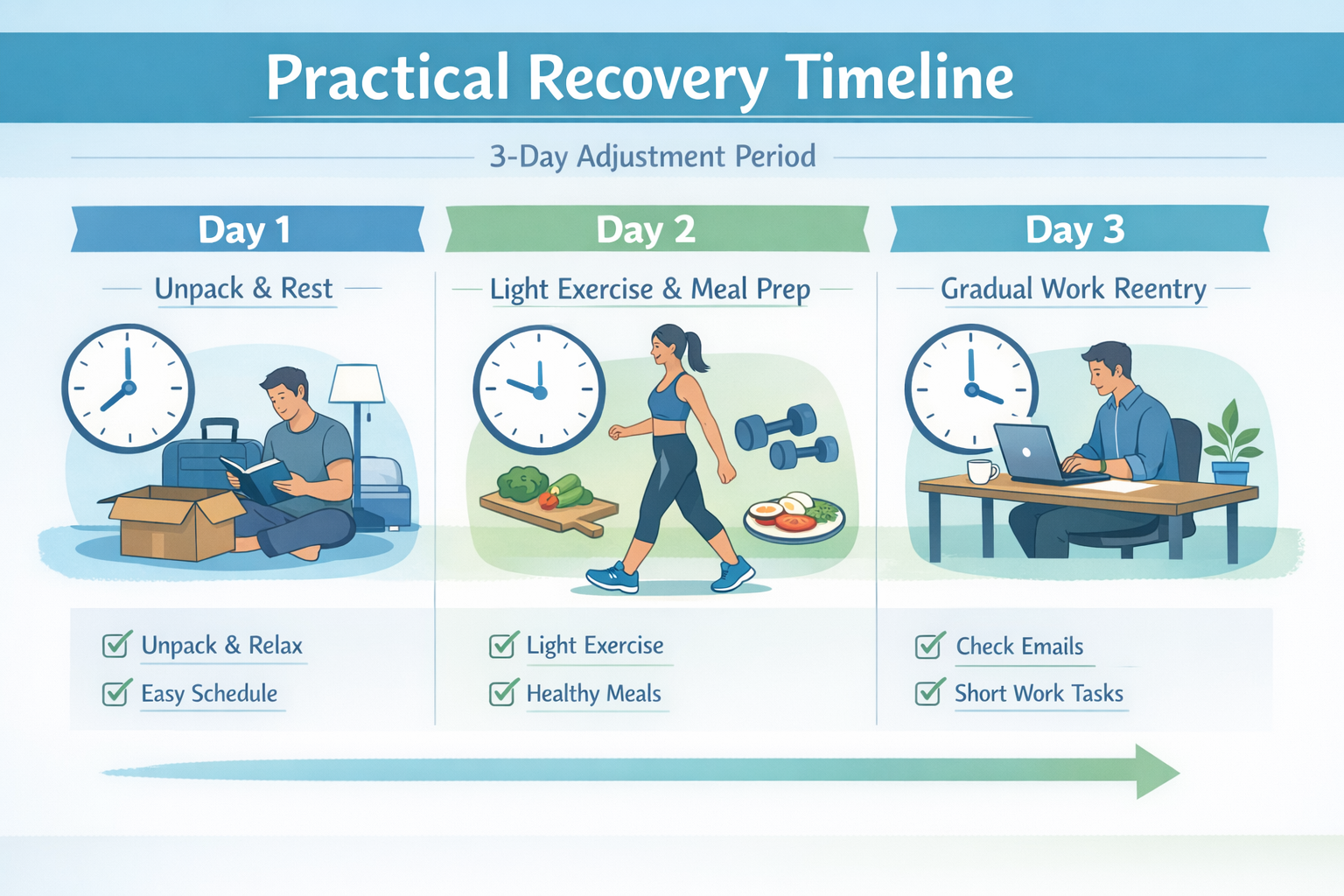
The 3-Day Recovery Plan
Day 1 (Return Day)
- Unpack essentials only (toiletries, dirty laundry)
- Grocery shop or order delivery for basic meals
- Go to bed at your normal time, even if you’re not tired
- Do one pleasant activity (watch a favorite show, take a bath, call a friend)
- Avoid: Work email, major cleaning projects, social obligations
Day 2 (Buffer Day)
- Finish unpacking and laundry
- Meal prep for the week ahead
- Light exercise or movement
- Organize vacation photos (pick favorites, delete duplicates)
- Review calendar for the week ahead, but don’t start working
- Avoid: Overcommitting to social plans, staying up late, intense workouts
Day 3 (Re-entry Day)
- Return to work with limited goals (2-3 priorities only)
- Take a real lunch break away from your desk
- Maintain one vacation habit (morning routine, evening walk, etc.)
- Connect with a colleague or friend
- Acknowledge any difficult feelings without judgment
- Avoid: Overworking to “catch up,” skipping breaks, comparing today to vacation
Ongoing Maintenance (Week 1-2)
- Keep one vacation habit for at least two weeks
- Schedule something pleasant each week
- Notice what you miss most about vacation and see if you can create a small version in daily life
- Journal or talk about both positive vacation memories and adjustment challenges
- Gradually increase work intensity rather than going full-throttle immediately
Customize this plan if: You have caregiving responsibilities (add support for transitions with kids), you’re returning to a crisis at work (add communication with your manager about priorities), or you have a mental health condition (add check-ins with your therapist or support system).
Making Daily Life More Sustainable to Prevent Severe Blues
The intensity of post-vacation blues often reflects the size of the gap between vacation and regular life. While some contrast is inevitable (vacation is special precisely because it’s different), reducing unnecessary stress in daily life makes returns easier.
Small changes that reduce the vacation/life gap:
Regular micro-breaks: Take your full lunch break. Step outside for 10 minutes mid-afternoon. These tiny breaks provide moments of rest rather than saving all restoration for vacation.
Boundary setting: If vacation felt good partly because you weren’t checking work email at 9 PM, consider maintaining that boundary at home. Not all vacation behaviors transfer, but some can.
Novelty injection: Try one new thing per week—a different coffee shop, a new recipe, a route you haven’t walked. Small novelty provides dopamine hits without requiring major time or money.
Social connection: If vacation included quality time with loved ones, build that into regular life. Weekly dinners, phone calls, or walks with friends create ongoing connection rather than saving it all for trips.
Physical movement: Many vacations include more walking or activity than regular life. Adding a daily walk or other gentle movement helps maintain energy and mood.
Environmental pleasure: If you loved your hotel room’s ambiance, consider small changes at home—better lighting, plants, decluttering, candles. Small environmental improvements affect daily mood.
Important distinction: These changes aren’t about making home exactly like vacation. They’re about reducing unnecessary stress and adding small pleasures that make daily life more sustainable, which in turn makes the return from vacation less jarring.
Talking About Post-Vacation Blues Without Complaining
One challenge people face is wanting to acknowledge their feelings without seeming ungrateful or like they’re complaining about “first world problems.”
How to talk about it authentically:
With friends or family: “I had such an amazing trip, and I’m also finding it hard to adjust back. Both things are true. The transition is tougher than I expected.”
With coworkers: “Still getting back into the swing of things—give me another day or two to be fully up to speed. Thanks for your patience.”
With your partner: “I’m feeling a bit down since we got back, which I know is normal, but I wanted to name it so you know it’s not about you or us.”
With yourself (journaling): “I’m grateful for the trip AND I’m sad it’s over AND I’m tired AND I’m anxious about work. All of these feelings can exist together.”
The key: Use “and” instead of “but.” “I’m grateful for my vacation BUT I’m sad it’s over” implies the feelings contradict each other. “I’m grateful for my vacation AND I’m sad it’s over” acknowledges both as simultaneously true.
Common mistake: Apologizing excessively for your feelings (“I know I shouldn’t complain, I just had a vacation, but…”). This frames normal emotions as inappropriate. You don’t need permission to feel what you feel.
Long-Term Perspective: What Post-Vacation Blues Teach Us
Beyond the immediate recovery, post-vacation blues can offer useful information about life design and values.
Questions to explore after you’ve recovered:
- What specific aspects of vacation did I miss most? (Rest? Novelty? Freedom? Connection? Beauty?)
- Which of those can I create small versions of in regular life?
- What made vacation feel so different from daily life? Is that contrast necessary or are there changes I want to make?
- Did the blues reveal genuine dissatisfaction or just normal adjustment?
- What would make returning from future trips easier?
Using the experience constructively:
If you missed rest: Consider whether you’re chronically under-rested. Can you protect sleep, add rest days, or reduce commitments?
If you missed novelty: Build small adventures into regular life. New experiences don’t require travel—they require intention.
If you missed freedom: Identify where you feel most constrained in daily life. Are those constraints necessary? Temporary? Changeable?
If you missed connection: Prioritize relationships in regular life. Schedule time with people who matter rather than waiting for vacation.
If you missed beauty: Notice beauty in your environment. Add it where you can (plants, art, nature time).
Important caveat: Make these reflections after you’ve recovered, not during the blues themselves. Day two back is not the time for major life analysis—day ten might be.
FAQ: Post-Vacation Blues: Recovering Without Shame
How long do post-vacation blues typically last?
Most people experience post-vacation blues for 3-7 days after returning home. The first 2-3 days are usually the hardest, with gradual improvement after that. If symptoms last longer than two weeks or worsen over time, consider talking to a mental health professional.
Are post-vacation blues the same as depression?
No. Post-vacation blues are a temporary adjustment response to returning from a pleasant experience to regular routine. They typically improve within a week. Depression is a persistent mental health condition lasting weeks or months, with symptoms that don’t improve on their own. If your blues don’t fade or include severe symptoms like hopelessness or loss of interest in all activities, consult a professional.
Is it normal to feel worse after a vacation than before?
Yes, this can happen temporarily. The contrast between vacation relaxation and regular stress can make daily life feel harder for a few days. However, most people feel better than their pre-vacation baseline within a week. If you consistently feel worse after every vacation, it might signal burnout or life dissatisfaction worth addressing.
Should I avoid taking vacations if they make me feel bad afterward?
No. The temporary discomfort of post-vacation blues doesn’t outweigh the benefits of rest, novelty, and disconnection that vacations provide. Instead, focus on managing the transition better and addressing what the blues might reveal about daily life sustainability.
Can I prevent post-vacation blues entirely?
You can reduce their intensity but probably can’t eliminate them completely. Strategies like building in buffer days, maintaining vacation habits, and creating a gentle re-entry plan help significantly. Some degree of wistfulness when something pleasant ends is normal and doesn’t need to be prevented.
What’s the difference between post-vacation blues and not wanting to go back to work?
Post-vacation blues involve a range of emotional and physical symptoms (sadness, fatigue, difficulty concentrating) that improve within a week. Not wanting to return to work that persists beyond the adjustment period might indicate job dissatisfaction, burnout, or a poor fit that needs addressing separately.
Do longer vacations cause worse post-vacation blues?
Not necessarily. While longer vacations create more adjustment (especially with time zones), they also provide more rest and restoration. The intensity of blues depends more on the contrast between vacation and daily life, how you manage the transition, and what you’re returning to than on vacation length alone.
Is it better to take one long vacation or several short ones?
Research suggests several shorter breaks throughout the year provide more sustained well-being than one or two long vacations. Frequent breaks reduce the vacation/daily life contrast and provide regular restoration. However, personal preference and practical constraints matter—choose what works for your situation.
Should I stay busy to avoid post-vacation blues?
No. Staying excessively busy can delay processing the transition and lead to burnout. Instead, aim for gentle re-entry with some structure (to prevent rumination) but also rest and reflection time. Balance matters more than constant activity.
Can I take time off work specifically for post-vacation recovery?
If your workplace allows it and you have the leave available, building in a buffer day between returning home and going back to work is one of the most effective strategies for reducing post-vacation blues. Many people find this single day makes a significant difference.
What if my partner doesn’t have post-vacation blues but I do?
People respond differently to transitions. Communicate your experience without expecting your partner to feel the same way. Ask for support in specific ways (“Can you handle dinner tonight while I finish unpacking?”) rather than expecting them to share your emotional state.
Are post-vacation blues worse for certain personality types?
Some research suggests people higher in neuroticism or those who struggle with transitions generally may experience more intense post-vacation blues. However, anyone can experience them regardless of personality. The strategies for managing them work across personality types.
Key Takeaways
- Post-vacation blues are normal: They affect most travelers and result from predictable neurological and emotional responses to change, not personal weakness or ingratitude.
- Recovery takes 3-7 days typically: The first 2-3 days are hardest, with gradual improvement after. Longer or more intense blues might signal deeper issues worth exploring.
- Shame prolongs suffering: Beating yourself up for feeling down after a positive experience adds unnecessary pain. Self-compassion and acceptance speed recovery.
- Buffer days make a difference: Returning home at least one day before going back to work significantly reduces the intensity of post-vacation blues.
- Maintain one vacation habit: Keeping a single pleasant routine from vacation (morning coffee ritual, daily walk, reading time) creates continuity and eases transition.
- Gentle re-entry beats powering through: Limiting work catch-up, protecting sleep, and gradually increasing intensity works better than immediately diving into full productivity.
- The contrast reveals information: Intense post-vacation blues sometimes highlight genuine life dissatisfaction, burnout, or areas needing change—but wait until you’ve recovered to make big decisions.
- Connection helps: Talking about your trip and your adjustment with friends, family, or a therapist reduces isolation and normalizes the experience.
- Small changes reduce future blues: Building micro-breaks, novelty, and pleasure into daily life makes the vacation/regular life gap smaller and returns easier.
- Professional help for severe symptoms: If blues last beyond two weeks, worsen over time, or include severe symptoms like hopelessness, consult a mental health professional.
Conclusion
Post-vacation blues are one of travel’s most common side effects, yet they’re rarely discussed with honesty. The result is that many people suffer through them alone, adding shame and self-judgment to what’s already an uncomfortable transition.
The truth is simpler and kinder: your brain and body need time to adjust from the elevated pleasure, rest, and novelty of vacation back to the structure and demands of regular life. This adjustment takes a few days. It’s not a character flaw, a sign of ingratitude, or evidence that something’s wrong with your life (though it might reveal areas worth examining once you’ve recovered).
Recovering from post-vacation blues without shame means:
Treating the experience as normal and temporary rather than something to hide or power through. Giving yourself practical support through buffer days, maintained vacation habits, and gentle re-entry. Talking about the adjustment honestly without apologizing for your feelings. And using the experience as information about what brings you joy and what might need changing in daily life.
Your next steps:
- Before your next trip ends: Schedule a buffer day between returning home and going back to work. Prep your space before leaving so you return to a clean home and stocked fridge.
- During the first three days back: Limit work catch-up to 2-3 hours, maintain one vacation habit, move your body gently, protect your sleep, and talk about your experience with someone who cares.
- After you’ve recovered: Reflect on what you missed most about vacation and explore small ways to bring those elements into regular life. Consider whether intense blues revealed genuine dissatisfaction worth addressing.
- Going forward: Build micro-breaks and small pleasures into your routine. Plan multiple shorter trips throughout the year rather than saving all restoration for one or two big vacations.
Remember that vacation’s purpose isn’t just the trip itself—it’s the restoration, perspective, and joy it provides. Those benefits don’t disappear the moment you return home, even if the first few days back feel hard. Give yourself time, skip the shame, and trust the process. You’ll be back to yourself soon, with good memories intact and maybe even some insights about how to make daily life a bit more sustainable.
The blues will pass. The memories will remain. And you’ll be ready for your next adventure when the time comes.