




Last updated: February 21, 2026
Key Takeaways
- Loneliness at home stems from lack of sensory engagement, routine disruption, and disconnection from the physical space itself
- Small environmental changes like lighting adjustments, texture additions, and intentional object placement can rebuild emotional connection to your home
- Creating rituals and routines anchors you to your space and provides structure that combats isolation
- Living elements like plants and pets introduce companionship and responsibility that break loneliness cycles
- Transforming your home into a connected sanctuary takes 2-4 weeks of consistent small changes, not expensive renovations
Quick Answer
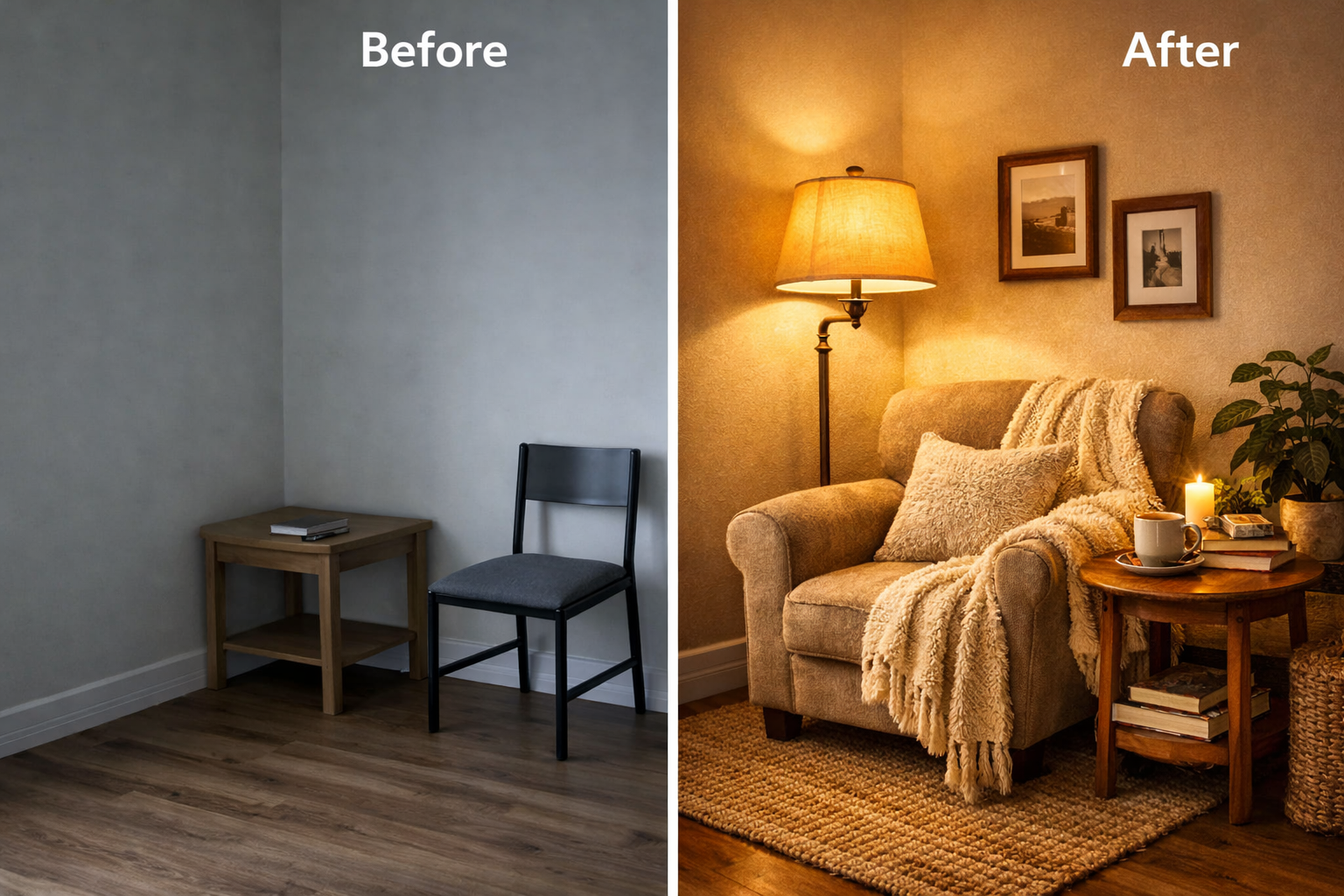
When home feels lonely, rebuilding connection from inside means intentionally reshaping your environment to engage your senses, establish comforting routines, and create spaces that invite presence rather than isolation. This process focuses on small, deliberate changes to lighting, textures, scents, sounds, and spatial arrangement that make your home feel inhabited and welcoming. The goal is transforming your space from somewhere you simply exist into a place that actively supports emotional well-being and connection.
Staring at the same four walls day after day can turn even the coziest apartment into an echo chamber of isolation. The silence feels heavier. The emptiness more pronounced. Your home, which should be a sanctuary, starts feeling like a reminder of what’s missing.
When Home Feels Lonely: Rebuilding Connection from Inside isn’t about denying those feelings or forcing toxic positivity. It’s about understanding that your physical environment directly impacts your emotional state, and you have more control over that relationship than you might think. The loneliness many people experience at home in 2026 often has less to do with being alone and more to do with being disconnected from the space itself.
This guide walks through practical, proven strategies to rebuild that connection without requiring a complete home makeover, expensive purchases, or pretending everything’s fine when it’s not.
Why Does Home Feel Lonely Even When It Should Feel Safe?
Home feels lonely when the environment lacks the sensory and emotional cues that signal belonging, safety, and connection. A space becomes isolating when it’s treated purely as functional shelter rather than as a living environment that responds to and supports emotional needs.
Several factors contribute to this disconnect:
Environmental stagnation happens when nothing in your space changes or evolves. The brain stops registering the environment as dynamic or interesting, leading to a feeling of being stuck or trapped. Rooms that look identical day after day provide no sensory novelty, which the brain interprets as emptiness.
Absence of living presence creates a static quality. Homes without plants, pets, or elements that change naturally (like fresh flowers or natural light patterns) feel frozen in time. The lack of movement, growth, or organic change reinforces isolation.
Sensory deprivation occurs in spaces with minimal textures, neutral-only colors, harsh lighting, or complete silence. When your environment doesn’t engage multiple senses, your brain receives fewer signals that you’re in a nurturing, inhabited space.
Disconnected routines mean you move through your home without intentional engagement. Walking from bedroom to kitchen to couch without noticing or interacting with your space creates a transactional relationship rather than a connected one.
Physical layout issues can reinforce isolation. Open floor plans with no defined zones, or conversely, closed-off rooms that prevent flow, both create spatial loneliness. Furniture arranged against walls with empty centers makes rooms feel like waiting areas rather than lived-in spaces.
The common thread: loneliness at home emerges when the space fails to provide feedback, engagement, or evidence of life and connection.
How Can Lighting Transform a Lonely Space into a Connected One?
Lighting changes can reduce home loneliness within 24-48 hours by creating warmth, defining zones, and mimicking the presence of others. Replace harsh overhead lights with multiple warm-toned lamps placed at different heights to create layered, inhabited-feeling spaces.
The science behind lighting and connection: Cold, overhead fluorescent or LED lighting triggers the same neural responses as institutional spaces like hospitals or offices. Warm, varied lighting at eye level and below signals residential comfort and human presence.
Practical lighting strategies:
Layer your light sources instead of relying on one ceiling fixture. Use three types in each main room:
- Ambient lighting (soft overhead or wall sconces)
- Task lighting (reading lamps, desk lights)
- Accent lighting (string lights, candles, picture lights)
Adjust color temperature to 2700K-3000K (warm white) in living spaces. This mimics sunset and firelight, which humans are evolutionarily wired to find comforting and social.
Create light routines that change throughout the day. Morning bright light near windows, afternoon task lighting, evening dim warm lighting. This progression gives your home a rhythm that feels alive.
Use dimmers on existing fixtures so you can adjust intensity based on mood and time. The ability to control lighting makes spaces feel responsive to your needs.
Add unexpected light sources like salt lamps, LED candles on timers, or small accent lights in hallways. These create the impression that different areas of your home are “active” even when you’re not in them.
Common mistake: Installing only bright white LEDs for energy efficiency while ignoring the emotional impact. Energy savings matter, but not at the cost of creating a space that feels like a storage unit.
Choose warm lighting if you spend most time at home in evenings and want to create cozy, connected feelings. Choose brighter daylight bulbs if you work from home and need alertness, but add warm lamps for after-work transition.
What Role Do Textures and Physical Comfort Play in Feeling Connected?
Textures provide tactile engagement that grounds you in physical space and triggers comfort responses that counter loneliness. Adding varied soft textures to a room can measurably increase time spent in that space and reduce feelings of isolation.
When your home lacks textural variety, you miss opportunities for physical comfort that signal safety and belonging. Smooth, hard surfaces (glass, metal, bare wood) dominate in minimalist spaces but provide no tactile reward for touch or presence.
Texture additions that rebuild connection:
Soft textiles in high-contact areas:
- Throw blankets on sofas and chairs (chunky knits, fleece, faux fur)
- Floor cushions or poufs for flexible seating
- Area rugs that define zones and add warmth underfoot
- Curtains or drapes that soften hard windows and walls
Layered bedding transforms your bedroom into a retreat. Multiple pillows, a duvet with texture, and sheets with higher thread counts make bed a destination rather than just where you sleep.
Natural materials like wood, stone, cork, and rattan add organic texture that feels alive compared to synthetic surfaces. A wooden cutting board, stone coasters, or woven baskets introduce these elements affordably.
Wall textures through tapestries, fabric wall hangings, or even temporary wallpaper on one accent wall break up flat painted surfaces.
Touchable objects placed strategically: smooth stones, textured pottery, soft plants (like lamb’s ear), or worry stones give hands something to engage with during phone calls or thinking moments.
The key is creating what designers call “tactile invitation”—your space should look like it wants to be touched and used, not preserved.
Edge case: For people with sensory processing sensitivities, too much texture can be overwhelming. Start with one or two soft elements in the room you use most, then gradually add more based on comfort level.
When Home Feels Lonely: Rebuilding Connection Through Scent and Sound
Scent and sound create ambient presence that makes empty spaces feel inhabited and comforting. These sensory layers work subconsciously to signal that your home is active, lived-in, and welcoming.
Scent strategies for connection:
Smell is the sense most directly linked to memory and emotion. Strategic use of scent can trigger feelings of comfort, nostalgia, and belonging.
- Natural scents: Essential oil diffusers with lavender (calming), eucalyptus (refreshing), or citrus (energizing) based on desired mood
- Cooking smells: Baking bread, brewing coffee, or simmering cinnamon sticks creates homey, nurturing associations
- Seasonal scents: Pine in winter, fresh flowers in spring, ocean breeze in summer connects you to the wider world
- Personal scent anchors: A specific candle or incense burned during relaxing activities becomes a comfort cue
Avoid: Artificial air fresheners that smell chemical or overpowering scents that cause headaches. Subtle, natural scents work better than strong synthetic ones.
Sound strategies for connection:
Silence can feel oppressive in a lonely home. Strategic sound creates the impression of life and activity.
- Background music: Curated playlists for different times of day (upbeat morning, calm afternoon, relaxing evening)
- Nature sounds: Rain, ocean waves, forest ambiance through apps or sound machines
- Podcasts or audiobooks: Human voices create social presence even when you’re alone
- Functional sounds: A ticking clock, wind chimes near a window, a small fountain creates ambient life
- Cooking sounds: The sizzle of food, kettle whistling, or dishwasher running signals home activity
Create a soundscape routine: Morning birds and coffee brewing sounds, afternoon music while working, evening calm instrumental or nature sounds. This rhythm makes your home feel dynamic.
Common mistake: Having TV on constantly as background noise. While voices help, the content often increases anxiety rather than comfort. Choose intentional, calming audio instead.
How Do Routines and Rituals Anchor You to Your Space?

Routines create predictable touchpoints with your home that build relationship and reduce loneliness through repeated positive interactions. Establishing 3-5 daily rituals that engage with your physical space can significantly decrease feelings of isolation within two weeks.
Rituals differ from habits because they’re intentional and meaningful rather than automatic. They create moments of presence and connection with your environment.
Morning rituals that connect:
- Window opening ceremony: Open curtains/blinds in each room while taking three deep breaths, acknowledging the new day
- Coffee/tea preparation: Use a special mug, arrange a small tray, sit in a designated spot rather than drinking on the go
- Plant watering routine: Check plants, water as needed, touch leaves, notice growth
- Bed making: Transform the bedroom from sleep space to day space, creating completion
Midday rituals:
- Lunch at the table: Set a placemat, use real dishes, create a boundary between work and eating
- Light transition: Change lighting from bright work mode to softer afternoon ambiance
- Space refresh: Open windows, fluff cushions, tidy one surface to reset the environment
Evening rituals:
- Lighting ceremony: Turn off overhead lights, turn on lamps one by one, creating evening atmosphere
- Scent ritual: Light a candle or start diffuser as signal that work day has ended
- Comfort preparation: Arrange blankets, prepare tea, create cozy nest before settling in
- Gratitude moment: Touch three objects in your home and acknowledge what they provide
Weekly rituals:
- Sunday reset: Deep clean one room, change sheets, refresh flowers
- Market day: Bring fresh flowers, new fruit, or seasonal items into the home
- Rearrangement: Move one piece of furniture or swap decorative objects between rooms
Why this works: Rituals create anticipated moments of engagement. Your brain begins to associate home with these positive, intentional interactions rather than just existing in space.
Choose rituals if you have flexible schedule and can build in 5-10 minute intentional moments. Skip elaborate rituals if you’re time-constrained; even 60-second routines (lighting a candle, opening a window) provide connection.
What Living Elements Bring Companionship to Lonely Spaces?
Living elements like plants, pets, and even aquariums introduce dynamic presence that directly counters loneliness by providing something to care for and interact with. Research shows that caring for living things reduces cortisol and increases oxytocin, the bonding hormone.
Plants as companions:
Plants transform lonely spaces by requiring attention, showing growth, and providing visual life. They’re particularly effective for people who aren’t ready for or able to have pets.
Best starter plants for connection:
- Pothos: Nearly impossible to kill, visible growth, responds well to care
- Snake plant: Tolerates neglect but thrives with attention, architectural presence
- Herbs (basil, mint, rosemary): Provide scent, utility, and rapid growth feedback
- Peace lily: Communicates needs clearly (droops when thirsty), flowers as reward
- Spider plant: Produces babies you can propagate, creating ongoing project
Create a plant care routine: Check plants same time daily, water on schedule, talk to them (the carbon dioxide from your breath actually helps growth, and the act of speaking reduces isolation).
Propagation projects: Growing new plants from cuttings provides ongoing engagement and visible progress that combats stagnant feelings.
Pets and animal companionship:
Pets provide unconditional presence, routine, and physical affection that directly address loneliness. However, they require significant commitment.
Low-maintenance options:
- Fish: Aquariums provide movement, routine feeding, calming visual focus
- Cats: Independent but affectionate, provide warmth and companionship
- Small birds: Social sounds, routine care, interactive potential
Higher-maintenance options:
- Dogs: Maximum companionship, force outdoor time, create strong routines
- Rabbits: Social, can be litter trained, enjoy gentle interaction
Consider pets only if: You can commit to daily care, afford veterinary costs, and have landlord permission. Never get a pet solely to fix loneliness; the responsibility must be sustainable.
Alternative living elements:
- Worm composting bin: Sounds odd but provides living ecosystem to tend
- Sourdough starter: Requires feeding, grows, produces tangible results
- Microgreens garden: Fast growth, edible results, minimal space
- Windowsill herb garden: Combines plant care with cooking utility
Common mistake: Getting too many plants or a high-maintenance pet before establishing basic routines. Start with one or two easy plants, build the habit, then expand.
How Does Intentional Object Placement Create Connection?
Strategic placement of meaningful objects throughout your home creates visual anchors that trigger positive memories and feelings of belonging. Displaying items with personal significance transforms generic space into your space.
Random clutter increases stress, but intentional display of chosen objects reduces loneliness by surrounding you with reminders of relationships, experiences, and identity.
What to display and where:
Photos and memories:
- Frame and hang photos rather than keeping them on phones or in boxes
- Create a gallery wall in a hallway or above a desk
- Place small framed photos on bedside table, kitchen shelf, bathroom counter
- Rotate photos seasonally to keep them fresh and noticeable
Collections and hobbies:
- Display items related to interests: books, instruments, art supplies, sports equipment
- Use open shelving to make hobbies visible and accessible
- Create a dedicated corner for your main hobby with supplies ready to use
Gifts and connections:
- Display items given by friends and family where you’ll see them daily
- Use handmade items functionally (pottery, textiles, art)
- Keep cards or letters in a decorative box you can revisit
Travel and experiences:
- Small souvenirs from trips placed strategically (not all together)
- Maps or postcards framed as art
- Items that remind you of experiences beyond home
Placement principles:
Eye-level engagement: Place meaningful items where you’ll naturally see them, not too high or hidden in corners.
Functional display: Use meaningful objects rather than just looking at them. Drink from the mug your friend gave you, use the blanket from your grandmother, wear the jewelry you love.
Rotation system: Store some items and swap them quarterly so your space evolves and items stay noticeable.
Negative space: Don’t fill every surface. Intentional empty space makes displayed items more impactful.
Lighting on objects: Use picture lights, shelf lighting, or strategic lamp placement to highlight meaningful items.
Edge case: For minimalists, even 3-5 carefully chosen meaningful objects placed intentionally can create connection without feeling cluttered.
When Home Feels Lonely: Rebuilding Connection Through Spatial Zones
Creating distinct zones within your home establishes different “rooms” for different activities, which prevents the blurred, monotonous feeling that increases loneliness. Even in a studio apartment, defining 3-4 activity zones makes space feel more dynamic and inhabited.
Why zones matter: When every activity happens in the same spot (working, eating, relaxing all on the couch), your brain never gets spatial cues to shift modes. This creates a trapped, unchanging feeling that amplifies isolation.
How to create zones without walls:
Use furniture as dividers:
- Bookcases perpendicular to walls create room separation
- Sofas facing away from work areas define living space
- Rugs under specific furniture groups (dining table, seating area) create visual zones
Lighting defines zones:
- Different lighting in each area signals different purposes
- Desk lamp for work zone, floor lamp for reading zone, string lights for relaxation zone
Color and texture:
- Different throw pillows or blankets in each zone
- Varied artwork or wall colors (even temporary solutions like removable wallpaper on one wall)
Essential zones to create:
- Work/productivity zone: Desk or table with task lighting, minimal distractions, organized supplies
- Relaxation zone: Comfortable seating, soft lighting, entertainment access, cozy textiles
- Eating zone: Table or counter with proper seating, even if small, separate from work area
- Sleep zone: Bed area distinct from daytime activities, calming colors and lighting
- Transition zone: Entry area with hooks, shoe storage, place to decompress when entering home
Movement between zones: Intentionally move between zones throughout the day. Work in work zone, eat in eating zone, relax in relaxation zone. Physical movement through different spaces combats stagnant isolation.
Common mistake: Doing everything from bed or couch because it’s comfortable. This erases boundaries and makes home feel like one undifferentiated lonely space.
Choose open zones if you have small space or like visual flow. Choose more separated zones if you need stronger boundaries between activities or share space with others.
What Small Changes Make the Biggest Difference Quickly?
Five changes can noticeably reduce home loneliness within one week: adjusting lighting to warm tones, adding three soft textiles, establishing one daily ritual, bringing in one living plant, and displaying three meaningful photos. These require minimal investment but maximum intentionality.
The quick-win hierarchy:
Week 1 changes (immediate impact):
- Replace bulbs: Swap cold white bulbs for warm white (2700K) in main living areas – $15-30
- Add throw blanket: Place soft, inviting blanket on couch or chair – $20-40
- Buy one plant: Start with easy pothos or snake plant – $10-25
- Frame one photo: Print and frame a meaningful photo, place on visible surface – $15-30
- Start morning ritual: Open curtains and make coffee in special mug each morning – $0
Total investment: $60-125 and about 2 hours of implementation time.
Week 2-3 changes (building on foundation):
- Add second and third plants in different rooms
- Establish evening lighting ritual
- Introduce scent through candles or diffuser
- Rearrange furniture to create one distinct zone
- Add area rug to define space
Week 4+ changes (deepening connection):
- Create gallery wall or photo display
- Develop full daily ritual sequence
- Add more textural elements
- Establish weekly home refresh routine
- Consider pet or more extensive plant collection
Measuring progress:
Track these indicators of increasing connection:
- Time spent in different areas of home (not just bed/couch)
- Frequency of noticing and appreciating elements of your space
- Desire to invite others over (even if not acting on it yet)
- Reduced time spent escaping home (aimless errands, staying late at work)
- Improved sleep quality and morning mood
Common mistake: Trying to change everything at once, getting overwhelmed, and reverting to previous state. Sustainable change happens through small, consistent additions.
Quick wins work best if you’re motivated by visible progress and need hope that change is possible. Skip to deeper changes if you’ve already addressed basics and need more substantial transformation.
How Do You Maintain Connection Once You’ve Rebuilt It?

Maintaining connection to your home requires ongoing attention and seasonal refreshes, not one-time changes. Plan quarterly updates and monthly check-ins to prevent slipping back into disconnected patterns.
Monthly maintenance routine:
- Refresh one element: New flowers, rearrange one shelf, swap out photos, change candle scent
- Evaluate rituals: Are you still doing them? Do they need adjustment? Add or remove based on what’s working
- Plant care check: Assess plant health, repot if needed, propagate new plants
- Lighting assessment: Replace burned-out bulbs immediately, adjust seasonal lighting needs
- Clutter clearing: Remove items that no longer serve or bring joy, keep displays intentional
Seasonal deep refreshes (every 3 months):
- Spring: Deep clean, bring in fresh flowers, lighter textiles, brighter colors
- Summer: Maximize natural light, add outdoor elements if possible, cooling colors
- Fall: Warmer textiles, richer scents (cinnamon, apple), cozy lighting
- Winter: Maximum coziness, layered lighting, warm colors, hygge elements
Preventing backsliding:
Warning signs you’re losing connection:
- Rituals feel like chores rather than pleasures
- Plants dying from neglect
- Reverting to doing everything from one spot
- Lights staying off or harsh overhead only
- Meaningful objects getting buried in clutter
Recovery protocol when you notice disconnection:
- Don’t judge yourself; life gets busy and overwhelming
- Pick ONE element to restart (usually easiest ritual or plant care)
- Spend 15 minutes tidying and resetting one zone
- Light a candle or turn on warm lamps
- Recommit to one daily touchpoint with your space
Adapting to life changes:
When circumstances shift (new job, relationship change, health issues, moving), your connection strategies need updating:
- New schedule: Adjust rituals to fit new timing
- Less energy: Simplify routines but maintain at least one daily touchpoint
- More people in space: Renegotiate zones and shared rituals
- Moving: Prioritize setting up connection elements in new space within first week
Long-term sustainability: Connection to home isn’t achieved once and maintained forever. It’s an ongoing relationship that needs attention, adjustment, and occasional renewal, just like relationships with people.
Comparison: Quick Fixes vs. Sustainable Connection Strategies
| Approach | Quick Fixes | Sustainable Strategies |
|---|---|---|
| Timeline | Immediate temporary relief | 2-4 weeks to establish, long-term impact |
| Cost | Often expensive ($200+ in decor) | Minimal ($50-150 for basics) |
| Examples | Buying lots of new furniture, complete room makeover, expensive art | Changing bulbs, adding plants, establishing rituals, rearranging existing items |
| Maintenance | Low (set and forget) | Medium (ongoing attention needed) |
| Effectiveness | Initial excitement fades quickly | Builds genuine relationship with space |
| When to use | Never as sole strategy | Primary approach for lasting change |
| Emotional impact | Temporary distraction | Addresses root disconnection |
| Flexibility | Rigid (stuck with purchases) | Adaptable to changing needs |
The key difference: Quick fixes attempt to purchase connection through new stuff. Sustainable strategies build connection through intentional interaction with your space, regardless of budget.
Many people try quick fixes first (buying all new decor, repainting everything, major furniture purchases) because they promise immediate transformation. However, these changes don’t address the underlying disconnection from space and often create buyer’s remorse or clutter.
Best approach: Start with sustainable strategies (lighting, rituals, plants, meaningful object display) for 3-4 weeks. Once you’ve established basic connection, then consider whether any purchases would genuinely enhance the relationship you’re building.
Troubleshooting: When Standard Approaches Don’t Work
Problem: “I’ve made changes but still feel lonely at home”
Possible causes:
- Changes were superficial (bought things without establishing rituals or engagement)
- Underlying depression or clinical loneliness requiring professional support
- Home environment isn’t the primary issue (need social connection outside home)
- Changes don’t align with personal preferences (following trends vs. what actually comforts you)
Solutions:
- Focus on rituals and routines over purchases
- Consider therapy or counseling for deeper emotional work
- Use home as base while building outside connections
- Audit changes: keep only what genuinely resonates, remove what doesn’t
Problem: “I don’t have energy for rituals or plant care”
Possible causes:
- Depression reducing motivation and energy
- Overcommitted schedule leaving no capacity
- Setting expectations too high (elaborate rituals vs. simple ones)
Solutions:
- Start with single 60-second ritual (lighting one candle each evening)
- Choose nearly indestructible plants (snake plant, ZZ plant)
- Lower the bar: connection can be opening curtains and taking three breaths
- Address underlying energy issues (sleep, nutrition, medical check)
Problem: “My space is too small/temporary to invest in”
Reframe: Connection strategies work in any size space and most are portable or temporary. A 200-square-foot studio needs connection just as much as a house.
Solutions:
- Focus on lighting, textiles, and rituals (all portable)
- Use removable solutions (command hooks, temporary wallpaper, freestanding furniture)
- Recognize that temporary doesn’t mean unworthy of comfort
- Small spaces often create cozier, more connected feelings when set up intentionally
Problem: “I share space and can’t control the environment”
Solutions:
- Focus on your bedroom or personal area with full control
- Negotiate shared space changes with roommates/family
- Use personal items (your mug, your blanket, your headphones) to create portable connection
- Establish personal rituals that don’t require space changes
Problem: “Changes feel fake or forced”
This is normal initially. New routines feel awkward before they feel natural. Give each change 2-3 weeks of consistent practice before deciding it’s not working.
However: If something genuinely doesn’t resonate after fair trial, drop it. Connection strategies should eventually feel nurturing, not performative.
Frequently Asked Questions
How long does it take to stop feeling lonely at home?
Most people notice reduced loneliness within 2-3 weeks of implementing lighting changes, daily rituals, and adding living elements like plants. Complete transformation of the relationship with your space typically takes 4-8 weeks of consistent engagement. However, severe loneliness rooted in isolation or depression may require professional support alongside environmental changes.
Can you rebuild connection to home without spending money?
Yes. Free strategies include establishing rituals, rearranging furniture, displaying photos you already own, opening curtains for natural light, and creating zones with existing items. The most impactful changes involve how you interact with your space, not what you buy. A $10 plant and intentional care routine creates more connection than $500 in new furniture.
What’s the single most effective change for lonely homes?
Establishing one daily ritual that engages with your physical space, combined with changing overhead lighting to warm-toned lamps. This combination addresses both the behavioral disconnection and the environmental coldness that most contribute to home loneliness. Start with a morning window-opening and coffee ritual plus three warm lamps instead of overhead lights.
Do plants really help with loneliness or is that just trendy?
Plants genuinely reduce loneliness by providing living presence, requiring care that creates routine, and offering visual feedback through growth. Studies show that caring for plants reduces cortisol and increases feelings of purpose. However, they’re not magic; neglected dying plants increase stress. Choose easy plants and establish realistic care routines for actual benefit.
Is it normal to feel lonely at home even when living with others?
Completely normal. Home loneliness can occur in crowded households when you lack personal space, meaningful routines, or connection to the physical environment. Solutions include creating a personal zone (even just a corner), establishing individual rituals, and ensuring some areas reflect your preferences and personality.
How do you know if home loneliness is environmental or clinical depression?
Environmental loneliness improves with space changes, rituals, and engagement. Clinical depression persists regardless of environment and includes symptoms like persistent sadness, loss of interest in activities, sleep changes, and hopelessness. If environmental strategies show no improvement after 4 weeks, or if you experience severe symptoms, consult a mental health professional.
Can you make a rental feel less lonely without losing your deposit?
Yes. Focus on removable changes: freestanding lamps instead of installed fixtures, command strips for hanging items, area rugs over floors, freestanding shelving, plants, textiles, and furniture arrangement. These create significant impact without permanent alterations. Many landlords also approve minor changes like changing light bulbs or adding removable wallpaper.
What if you like minimalism but your home feels empty and lonely?
Minimalism and connection aren’t opposites. Focus on quality over quantity: fewer but more meaningful objects, intentional display with proper lighting, high-quality textiles in neutral tones, and plants as living sculpture. The key is intentional curation rather than emptiness. Each item should serve a purpose or bring genuine joy.
How often should you change things to keep home from feeling stagnant?
Small monthly changes (new flowers, rearranged shelf, swapped photos) prevent stagnation without creating chaos. Seasonal refreshes every 3 months (textiles, scents, colors) align with natural cycles. However, core elements (furniture arrangement, main rituals, primary plants) should stay consistent for 6-12 months to build genuine connection before major changes.
Is it worth trying these strategies if you’re planning to move soon?
Absolutely. Connection strategies are mostly portable (rituals, plants, textiles, photos) and the skills transfer to new spaces. Additionally, feeling connected to your current home, even temporarily, significantly impacts daily well-being. Waiting until circumstances are perfect means staying disconnected indefinitely. Start where you are.
Can background TV or music replace actual connection to space?
No. While sound helps create ambient presence, it’s a supplement rather than replacement for genuine spatial connection. TV often increases anxiety and prevents presence. Intentional music or nature sounds work better, but they should accompany engagement with your space (cooking while listening to music) rather than distract from disconnection.
What’s the difference between home loneliness and just preferring to be out?
Home loneliness feels like avoidance or discomfort in your space, staying out to escape rather than for genuine enjoyment. Preferring to be out feels like positive choice toward activities you love. If you dread returning home, rush through time there, or feel relief only when leaving, that indicates disconnection worth addressing.
Key Takeaways
- Loneliness at home is environmental disconnection, not just social isolation, and can be addressed through intentional changes to lighting, textures, scents, and spatial arrangement
- Warm lighting (2700K-3000K) in multiple layers creates the single fastest transformation from institutional coldness to inhabited warmth
- Daily rituals that engage with your physical space (morning window opening, evening candle lighting, plant watering) build relationship with your home through repeated positive interactions
- Living elements like plants provide dynamic presence and care routines that directly counter static isolation, with easy varieties like pothos and snake plants requiring minimal expertise
- Textural variety through soft textiles (throw blankets, area rugs, cushions, layered bedding) creates tactile comfort that signals safety and belonging
- Meaningful object display transforms generic space into personal sanctuary by surrounding you with visual reminders of relationships, experiences, and identity
- Creating distinct zones for different activities prevents the blurred monotony that amplifies loneliness, even in small spaces
- Quick wins (lighting + one plant + one ritual) can reduce loneliness within one week, while sustainable transformation takes 4-8 weeks of consistent engagement
- Maintenance through monthly refreshes and seasonal updates prevents backsliding into disconnection patterns
- Connection strategies work in any space, regardless of size, ownership status, or budget, because they focus on relationship with environment rather than expensive purchases
Conclusion
When home feels lonely, the solution isn’t necessarily more people or a bigger space. It’s rebuilding the fundamental relationship between you and your environment through intentional, sensory-rich engagement.
The strategies outlined here—from lighting adjustments to daily rituals, from plant care to meaningful object placement—work because they address the root cause of home loneliness: treating your space as purely functional shelter rather than as a living environment that responds to and supports your emotional needs.
Start small and specific. Don’t attempt everything at once. This week, choose three actions:
- Change your lighting: Replace the bulbs in your main living area with warm white (2700K) and add one lamp if you only have overhead lighting
- Establish one ritual: Commit to a single daily touchpoint with your space, like opening curtains each morning or lighting a candle each evening
- Add one living element: Buy one easy plant or display one meaningful photo you already own
These three changes require minimal investment (under $50 total) and about one hour of time, but they create the foundation for genuine connection.
Track your progress by noticing how you feel when entering your home, how much time you spend in different areas, and whether you’re finding moments of peace rather than just existing in space.
Remember that connection is ongoing. Your relationship with your home, like relationships with people, needs attention and occasional renewal. Some weeks you’ll engage fully with rituals and care. Other weeks you’ll barely maintain basics. Both are normal. What matters is returning to intentional engagement when you notice disconnection creeping back.
The goal isn’t perfection. It’s creating a space that feels like it’s on your side—a sanctuary that actively supports your well-being rather than amplifying isolation. When home feels lonely, rebuilding connection from inside transforms those four walls from a reminder of what’s missing into evidence of what’s present: comfort, beauty, growth, and belonging.
Your home is waiting to welcome you. It just needs a little help remembering how.